GLIA Diagnostics

Biomarkers

Biomarkers for TBI

Biological markers that provide objective, measurable evidence of traumatic brain injury — enabling faster, more accurate clinical decisions.

What Are TBI Biomarkers?

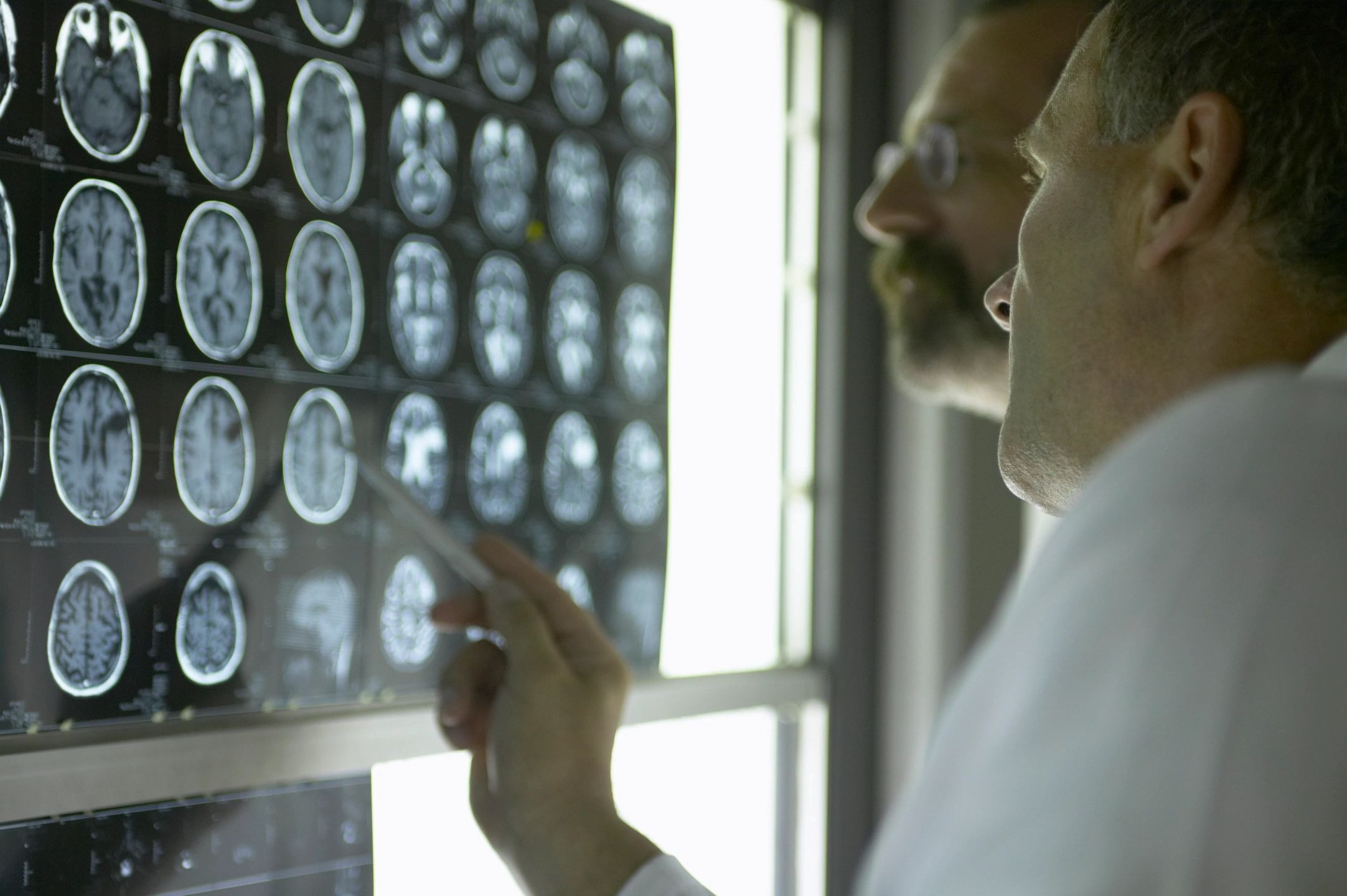
Biomarkers are measurable biological indicators — proteins, nucleic acids, or other molecules — that reflect the presence, severity, or progression of injury or disease. In the context of traumatic brain injury (TBI), biomarkers are released into the bloodstream following neuronal damage, glial cell injury, or disruption of the blood-brain barrier.

Traditional TBI assessment relies heavily on clinical observation, symptom reporting, and neuroimaging — all of which have significant limitations in sensitivity, objectivity, and accessibility. Blood-based biomarkers offer a complementary, objective window into the biological reality of brain injury, independent of patient cooperation or clinician subjectivity.

TBI biomarker research
microRNA biomarker analysis

Our Approach

Why microRNA?

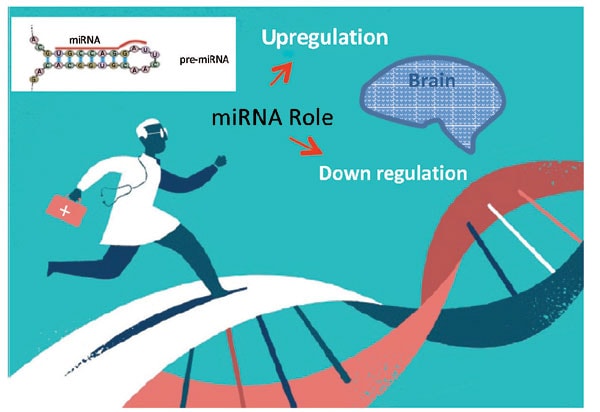
MicroRNAs (miRNAs) are small, non-coding RNA molecules that regulate gene expression. They are relatively stable in blood and other biofluids, making them candidates for blood-based diagnostic biomarkers. Following TBI, specific miRNAs may be released from injured neural and glial cells into circulation, potentially providing a molecular signal of brain injury.

Protein biomarkers such as GFAP and UCH-L1 have established acute utility and are FDA-cleared for use in adults with suspected mTBI. GLIA is investigating whether its clinically studied proprietary miRNA panel can add complementary biological information relevant to injury response, prognosis and longitudinal recovery — a more nuanced story than any single biomarker class can tell alone.

Advantages of miRNA Biomarkers

High Stability

miRNAs are encapsulated in exosomes and protein complexes, making them highly resistant to degradation in blood samples.

Potential Tissue Association

Certain miRNAs are expressed at relatively high levels in neural tissue. Elevation in blood following head injury may reflect neural or glial involvement, though specificity requires further validation.

Potential Early Detection

miRNA signals may appear in blood relatively early after injury, potentially enabling earlier biological assessment — though detection windows require further clinical validation.

Longitudinal Monitoring Potential

Serial miRNA measurements may provide information relevant to biological recovery over time. These applications remain under development and require further clinical validation.

Panel Approach

A panel of miRNAs may simultaneously provide complementary biological information relevant to injury response, prognosis, and recovery — potentially offering a more nuanced picture than any single biomarker.

PoC Compatible

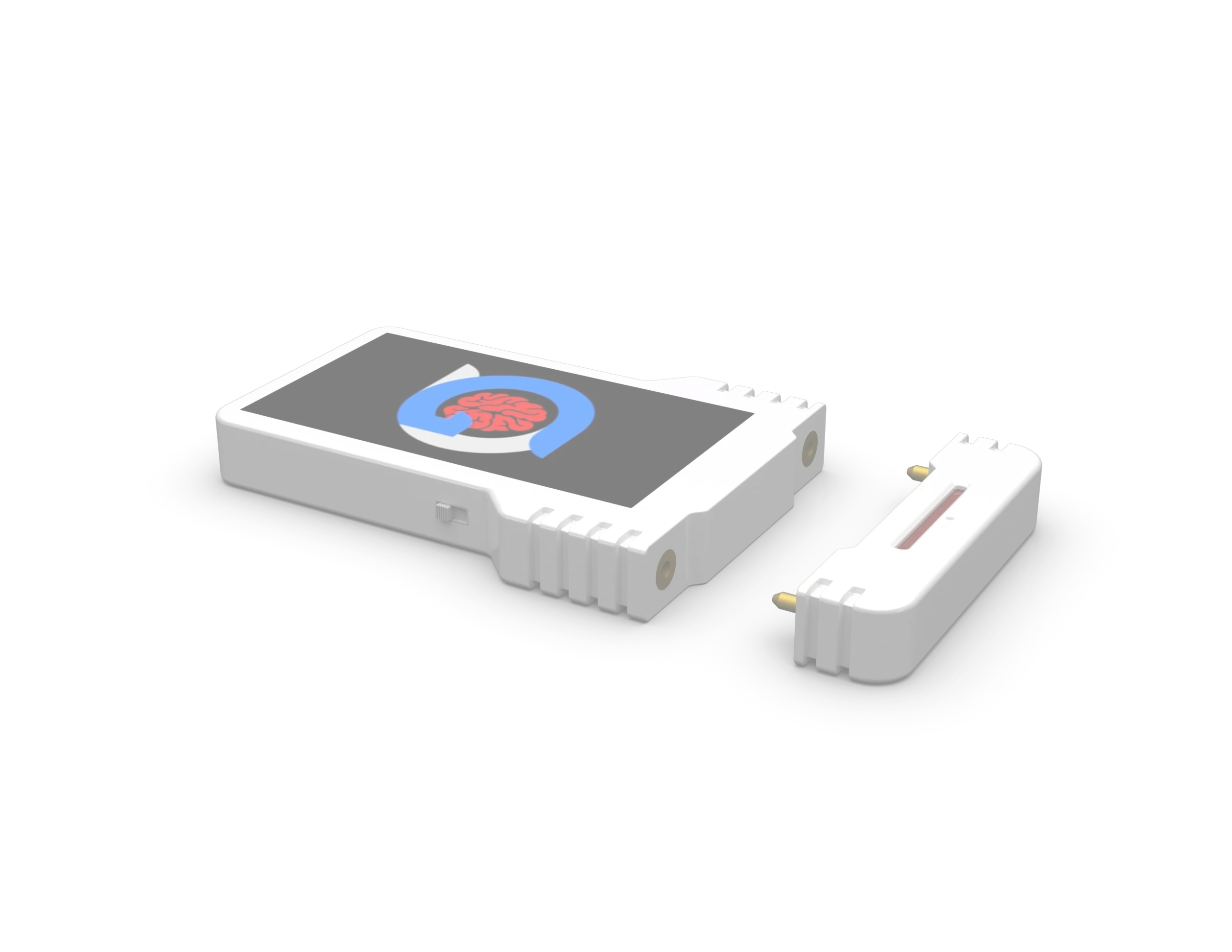
GLIA's platform is designed to detect miRNA biomarkers rapidly from a finger-stick blood sample in field or clinical settings.

Clinical Context

Current Biomarker Landscape

Protein biomarkers have established acute utility in TBI assessment. GFAP (Glial Fibrillary Acidic Protein) and UCH-L1 (Ubiquitin C-terminal Hydrolase-L1) are FDA-cleared for use in adults with suspected mTBI, and the Abbott i-STAT TBI test measuring GFAP and UCH-L1 in venous whole blood is now available to assist evaluation in emergency settings. S100B is widely used in Europe as a triage tool to guide CT imaging decisions.

GLIA’s stronger story is not that proteins don’t work — it is that miRNA biology may add information relevant to injury response, prognosis and longitudinal recovery that complements what protein biomarkers already provide. GLIA is investigating whether its clinically studied proprietary miRNA panel can extend the biological picture beyond the acute window, supporting more informed decisions across the full recovery trajectory.
Current biomarker landscape

Blood-Based Biomarkers for Traumatic Brain Injury

Frequently Asked Questions

The following answers reflect general scientific information and GLIA’s investigational research. They do not constitute medical advice. GLIA’s diagnostic platform is not approved for clinical use.

What is a biomarker and how does it apply to TBI?

A biomarker is a measurable biological indicator — a molecule, gene, or characteristic that can be objectively measured and evaluated as an indicator of a biological process, pathological condition, or response to treatment. In the context of traumatic brain injury (TBI), biomarkers are substances released into the bloodstream following neuronal damage, glial cell injury, or disruption of the blood-brain barrier. Blood-based TBI biomarkers offer a potentially objective, quantifiable window into the biological reality of brain injury — complementing clinical observation, symptom reporting, and neuroimaging.

What blood-based TBI biomarkers are currently in clinical use?

The most clinically advanced blood-based TBI biomarkers are proteins: GFAP (Glial Fibrillary Acidic Protein) and UCH-L1 (Ubiquitin C-terminal Hydrolase-L1). The Abbott i-STAT TBI test measuring GFAP and UCH-L1 in venous whole blood is FDA-cleared for use in adults with suspected mTBI in emergency settings, and is now available in some clinical environments. S100B is widely used in Europe as a triage tool to guide CT imaging decisions in suspected mTBI. Neurofilament light chain (NfL) is an emerging biomarker with growing research support, particularly for chronic and repetitive injury contexts. These protein biomarkers have established acute utility but have limitations in mild TBI sensitivity, subacute assessment, and longitudinal monitoring.

Why isn’t a CT scan or MRI sufficient to diagnose TBI?

CT and MRI are essential tools in TBI management, but they have significant limitations — particularly in mild TBI. CT is highly sensitive for detecting acute haemorrhage and structural injury requiring neurosurgical intervention, but it is frequently normal in mild TBI (concussion), even when significant neurological symptoms are present. Conventional MRI is more sensitive than CT for detecting diffuse axonal injury and microstructural changes, but it is expensive, time-consuming, and not available in field or sideline settings. Advanced MRI techniques (DTI, SWI, fMRI) can detect subtle changes in mTBI but are research tools rather than routine clinical instruments. Blood-based biomarkers are being developed to provide an objective biological signal that complements imaging — particularly in the large proportion of mTBI cases where imaging is normal.

What is the blood-brain barrier and why does it matter for TBI biomarkers?

The blood-brain barrier (BBB) is a highly selective semipermeable border formed by specialised endothelial cells lining the cerebral vasculature. Under normal conditions, it tightly regulates the passage of substances between the bloodstream and the brain, protecting the central nervous system from pathogens and maintaining the precise chemical environment required for neural function. TBI — even mild TBI — can disrupt the integrity of the BBB, allowing brain-specific molecules (proteins, nucleic acids, and other cellular contents) to leak into the peripheral bloodstream. This BBB disruption is one of the key mechanisms by which brain-derived biomarkers become detectable in blood following injury.

What are the limitations of current TBI biomarkers?

Current protein biomarkers such as GFAP and UCH-L1 have established utility in the acute phase of mTBI assessment (typically within 12 hours of injury) but have limitations in several areas: sensitivity in very mild TBI; utility beyond the acute window (subacute and chronic phases); monitoring biological recovery over time; and applicability in populations with pre-existing neurological conditions or repeated head injury exposure. Additionally, most current biomarker tests require venous blood collection and laboratory or near-patient testing infrastructure, limiting their use in field, sideline, and resource-limited settings. GLIA’s research is investigating whether a microRNA panel can address some of these gaps — though this remains under development.

What does ‘point of care’ mean in the context of TBI diagnostics?

Point-of-care (PoC) testing refers to diagnostic testing performed at or near the location of patient care — rather than in a centralised laboratory. In the context of TBI, PoC testing could enable blood-based biomarker assessment on the sports sideline, in a military field setting, in an emergency department without laboratory infrastructure, or in a remote or resource-limited environment. PoC TBI testing would require a compact, rapid, easy-to-use device capable of processing a small blood sample (ideally from a finger-stick) and delivering a result within a clinically useful timeframe. GLIA is developing a PoC platform for its miRNA panel, though this remains investigational and is not yet approved for clinical use.

How might blood-based biomarkers change return-to-play or return-to-duty decisions?

Current return-to-play (sport) and return-to-duty (military) protocols following suspected TBI or concussion rely primarily on symptom resolution and clinical assessment. The fundamental limitation of symptom-based protocols is that symptom resolution does not necessarily reflect underlying biological recovery — athletes and military personnel may be symptom-free while biological injury processes are still active. Blood-based biomarkers that reflect the biological state of the brain — rather than subjective symptom reporting — could potentially provide an objective complement to clinical assessment in return-to-activity decisions. This is an area of active research; no blood-based biomarker has yet been validated for return-to-play or return-to-duty decision-making.

Is there a difference between concussion and mild TBI?

The terms ‘concussion’ and ‘mild TBI’ (mTBI) are often used interchangeably, but there are nuances in their usage across clinical and research contexts. Concussion is a clinical diagnosis based on the presence of specific symptoms following a head impact or acceleration-deceleration event — it is typically used in sport and community settings. Mild TBI is a broader clinical classification based on initial injury severity indicators (Glasgow Coma Scale score, loss of consciousness duration, post-traumatic amnesia duration), used in emergency and research settings. All concussions are mild TBIs, but not all mild TBIs are described as concussions in every clinical context. Both terms describe a spectrum of injury severity, and both present significant diagnostic challenges due to the frequent absence of abnormalities on standard imaging.

Objective. Rapid. Field-Ready.

GLIA's miRNA biomarker panel is designed to work alongside existing clinical tools — not replace them — to give clinicians and carers the biological context they need to make better decisions, faster.

Learn About Our Technology