GLIA Diagnostics
Making the invisible injury visible.
Objective biology for traumatic brain injury.
GLIA Diagnostics (GLIA) is an Australian medtech company developing a platform intended to provide objective biological information following traumatic brain injury (TBI), including mild TBI (mTBI/concussion). Its clinically studied multiplex microRNA biomarker programme is being translated toward a rapid, portable point-of-care platform. Following completion of the CSIRO development programme, the core electrochemical miRNA sensing outcomes documented in CSIRO's final development report have now been successfully reproduced in an industry-based development environment at Memjet.
Investigational technology in development. Not approved for commercial clinical use.
5 Human Studies / Cohorts
Across acute injury, mild TBI and recovery
7-Marker miRNA Panel
Multiplex circulating miRNA programme
4 Peer-Reviewed Publications
Human research evidence base
Industry-Based Replication Achieved
CSIRO outcomes reproduced at Memjet
All metrics relate to investigational research. The platform is not approved for commercial clinical use.
Who We Are
About Us
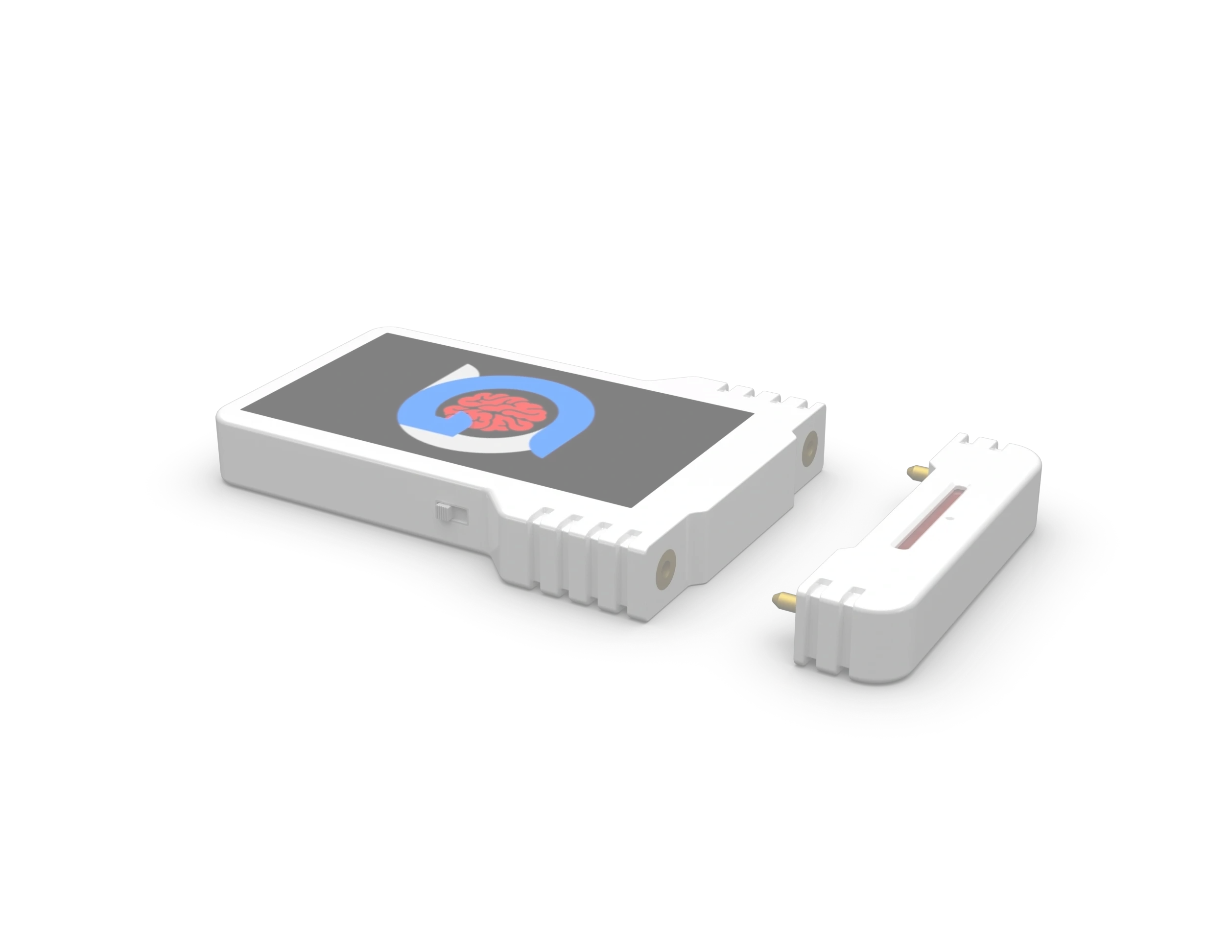
GLIA is an Australian medtech company translating a clinically studied multiplex miRNA biomarker programme into a portable PoC platform for traumatic brain injury (TBI). The intended system combines a biological sample, cartridge and a handheld reader, targeting an approximately 20-minute result. Following successful industry-based replication of the CSIRO development work, GLIA is now progressing integrated product engineering, including assay, cartridge, electronics and reader development.
The problem
Brain injury is not always visible.
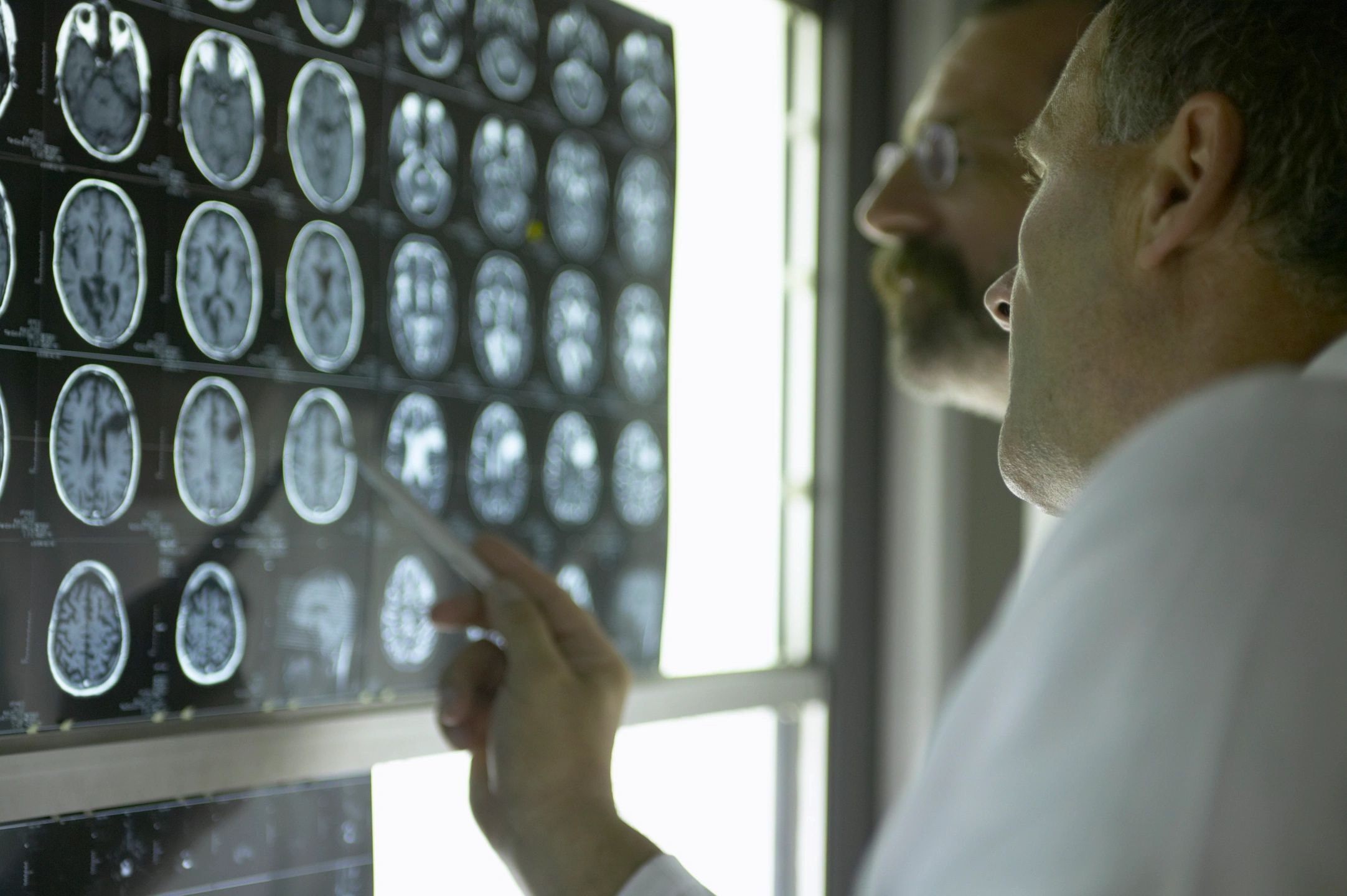
Concussion and mild traumatic brain injury (mTBI) can occur without obvious structural abnormalities on conventional imaging. Clinical assessment therefore continues to rely heavily on symptoms, examination and cognitive assessment. GLIA is developing an additional source of objective biological information.
The GLIA approach
Looking at the biology of brain injury.
01
microRNA biology
GLIA's approach uses circulating microRNAs — small regulatory molecules involved in biological responses to injury.
02
Biomarker research
Our biomarker research has identified a panel of microRNAs associated with traumatic brain injury across civilian, sporting and military research cohorts.
03
Point-of-care translation
GLIA is translating this biomarker science into a portable point-of-care platform designed for rapid testing from a small blood sample.
Point-of-care technology
From biomarker discovery to point-of-care testing.
GLIA is translating its microRNA biomarker research into a portable electrochemical point-of-care platform designed for rapid testing from a small blood sample.
The development objective is to enable biological information to move closer to the patient, athlete or operator rather than requiring conventional central laboratory testing.
Technology Transfer
Successful Transfer From Research to Industry-Based Development
Following completion of the CSIRO development programme, GLIA transferred the sensor preparation, assay chemistry and electrochemical workflow into a separate industry-based development environment at Memjet. The core experimental outcomes documented in CSIRO's final product-development report were successfully reproduced in the new setting.
The result provides important evidence of reproducibility and successful technology transfer beyond the originating controlled research environment, materially reducing translation risk as GLIA progresses toward integrated product engineering and analytical validation.
Development progression
Why it matters
The case for objective biological information.

Objective information at the point of need
Current TBI assessment relies on subjective clinical tools. GLIA is developing a complementary source of objective biological information that can be used closer to the patient.
Rapid result
The intended platform targets an approximately 20-minute sample-to-result time without laboratory infrastructure.
Multiplex panel
A 7-marker miRNA panel rather than a single biomarker, reflecting the biological complexity of TBI.
Our Technology
Grounded in Rigorous Molecular Science
Multiplex miRNA Biomarker Programme
GLIA is investigating a circulating miRNA panel supported by human research across acute TBI, mild TBI and longitudinal recovery. The programme is being developed as a complementary molecular approach to brain-injury assessment.
PoC Platform
GLIA is translating its clinically studied biomarker programme toward a portable PoC system intended to bring objective molecular information closer to the patient.
Regulatory Pathway
GLIA is progressing regulatory planning for major international markets, including Australia, the United States and Europe. The final intended use and regulatory pathway remain subject to regulatory engagement and product validation.
Evidence
Built on human clinical research.
GLIA's microRNA biomarker programme has been evaluated across multiple human studies involving traumatic brain injury, concussion, sport and military populations. The research programme includes peer-reviewed publications and ongoing translational studies.
View Clinical EvidenceHuman evidence
Five human studies and cohorts across acute injury, mild TBI, recovery and related settings.
4 peer-reviewed publications
Published human research investigating TBI-associated circulating miRNA signals and longitudinal biology.
Multi-marker panel
A multiplex circulating miRNA panel selected through GLIA's research and IP programme.
Development Roadmap
Advancing From Research to PoC
Clinical Foundation
Human biomarker research, clinical cohorts, peer-reviewed publications and intellectual property established.
CSIRO Development
Electrochemical miRNA sensing platform developed and characterised through the CSIRO development programme.
Industry-Based Replication
Core experimental outcomes documented in CSIRO's final development report successfully reproduced at Memjet in a separate industry-based development environment.
Integrated Product Engineering
Integration of assay chemistry, disposable cartridge, electronics and reader toward the intended portable point-of-care system.
Analytical, Clinical & Regulatory Validation
Analytical characterisation, whole-blood product qualification, prospective clinical validation, regulatory engagement and commercialisation preparation.
Commercial Milestones
Progress From Research to Product Translation
Founded 2015
Human clinical evidence
Four peer-reviewed GLIA human publications
International IP portfolio
CSIRO PoC development
Industry-based replication achieved
Integrated product engineering underway
Regulatory planning
Competitive Advantage
A Differentiated Position in TBI Diagnostics
GLIA combines a clinically studied multiplex miRNA biomarker programme, an international intellectual property portfolio and proprietary point-of-care technology. Successful reproduction of the CSIRO development outcomes in an industry-based development environment provides additional evidence that the underlying sensing technology is transferable beyond its originating research setting. The platform is now progressing through integrated product engineering and validation.
Clinically Studied Biomarker Programme
Five human studies and cohorts across acute TBI, mild TBI, sport and military populations, with four peer-reviewed publications.
International IP Portfolio
Proprietary intellectual property covering the miRNA biomarker panel and point-of-care platform, filed across key international markets.
Proprietary PoC Technology
Electrochemical miRNA sensing platform developed through the CSIRO programme and successfully reproduced in an industry-based environment.
Demonstrated Technology Transfer
Successful reproduction of CSIRO development outcomes at Memjet provides evidence of transferability beyond the originating controlled research environment.
Intellectual Property
International IP Portfolio
GLIA holds an international intellectual property portfolio covering its microRNA biomarker panel and point-of-care platform technology.
miRNA Biomarker Panel
Filed internationallyElectrochemical Detection Platform
Filed internationallyPoint-of-Care System Architecture
Filed internationallyIP status is subject to ongoing prosecution. Details are commercially sensitive.
Competitive Landscape
Where GLIA Sits in the TBI Diagnostics Space
Current TBI assessment relies on clinical observation, imaging and neurocognitive testing. GLIA is developing a complementary biological information source using circulating microRNA biomarkers.
Imaging
CT and MRI provide structural information but may not detect mild TBI. Require specialist infrastructure and are not suited to point-of-care use.
Protein Biomarkers
Protein-based blood biomarkers (e.g. GFAP, UCH-L1) have received regulatory clearance in some markets for specific indications. GLIA's miRNA approach is complementary and investigational.
Neurocognitive Testing
Standardised cognitive assessments are widely used but are subjective and can be confounded by baseline variation, effort and learning effects.
The GLIA Difference
What Sets GLIA Apart
Multiplex miRNA panel — not a single-marker approach
Human clinical evidence across sport, military and civilian cohorts
Electrochemical PoC platform developed through CSIRO and reproduced at Memjet
International IP portfolio protecting the biomarker and platform technology
Demonstrated technology transfer beyond the originating controlled research environment
Progressing integrated product engineering toward an engineered, scalable diagnostic product
Research, Development & Engagement Network
Built Through Collaboration
CSIRO — Research and electrochemical platform development
Memjet — Industry-based technology replication and development environment
Genesys Electronics Design — Integrated electronics, reader and product engineering
The Alfred Hospital — Clinical research partner
Monash University — Academic research collaboration
Defence Science and Technology Group — Military TBI research
Where it matters
Designed for the settings where TBI occurs.
Elite Sport
Rapid biological information at the point of injury to support clinical decision-making in professional and elite sport settings.
Defence
Objective biological assessment for military personnel exposed to blast overpressure and combat-related TBI.
Emergency & Clinical
Complementary biological information for emergency department and clinical assessment of TBI and concussion.
Grassroots Sport
Accessible point-of-care testing to support concussion assessment at community and grassroots sport levels.
Collaboration
Building through collaboration.
GLIA has progressed from biomarker discovery and human clinical evidence through electrochemical proof of concept, CSIRO development and successful industry-based replication of the CSIRO development work. The programme is now advancing into integrated product engineering, analytical characterisation and regulatory preparation. Successful reproduction of the CSIRO development outcomes in an industry-based environment materially reduces technology-transfer risk and strengthens the pathway toward an engineered, scalable diagnostic product.
Partners & CollaboratorsGLIA Diagnostics
Objective biology for traumatic brain injury.
An overview of the GLIA Diagnostics platform and its intended application.
References
- 1.
Mitra B et al. Serum microRNAs as a biomarker for traumatic brain injury. Frontiers in Neurology. 2021.
- 2.
Mitra B et al. Circulating microRNA as a biomarker for mild traumatic brain injury. Frontiers in Neurology. 2022.
- 3.
Mitra B et al. Longitudinal changes in circulating microRNA following mild traumatic brain injury. Frontiers in Neurology. 2023.
- 4.
Mitra B et al. microRNA biomarkers in traumatic brain injury: a systematic review. Frontiers in Neurology. 2024.
Stay informed.
Subscribe for updates on GLIA's research and development programme.
Contact
Get in touch.
GLIA Diagnostics
Mosman, Sydney NSW 2088, Australia